
Argo
AI news
What happened in AI, and what it means for people who use it.
More articles
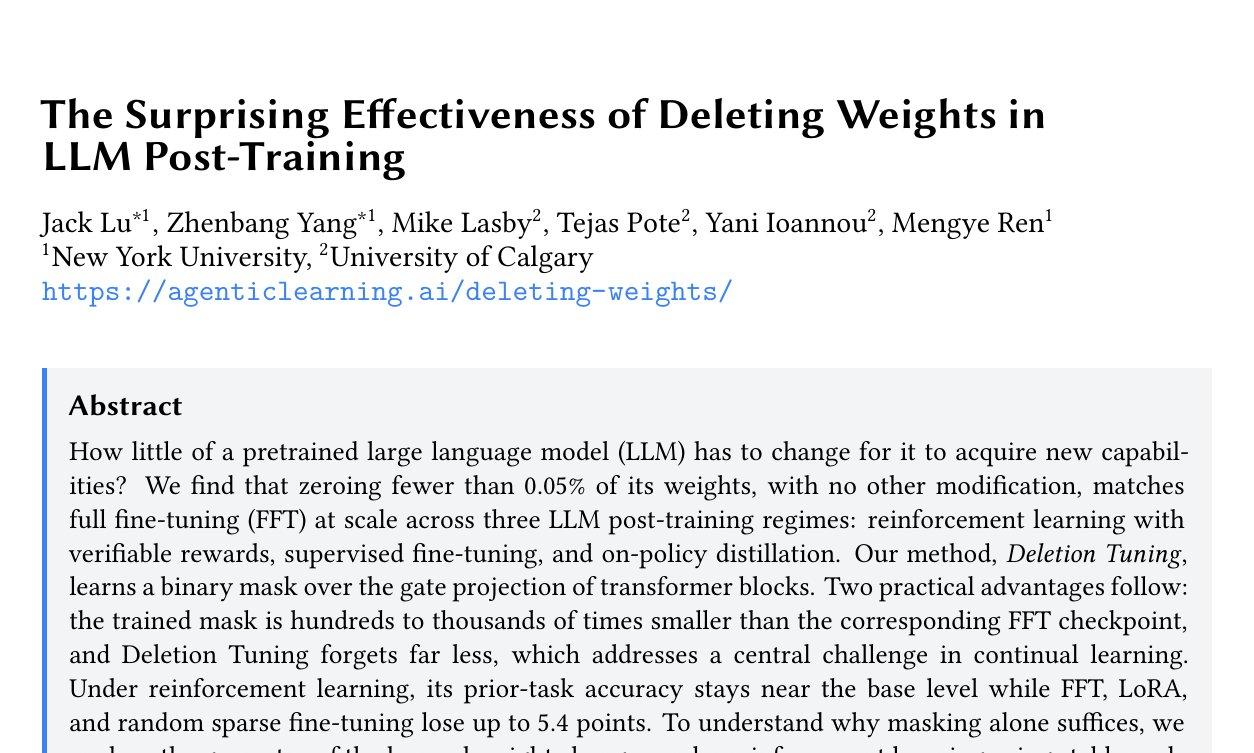
How deleting a few weights teaches an AI model new tasks
Deletion Tuning learns which tiny set of model weights to switch off, matching full fine-tuning at the largest tested scales.
How Graphon connects the clues an AI assistant needs to remember
Graphon links documents, images, video and email so an AI assistant can retrieve evidence across formats and time.
Claude Fable 5.2 and Mythos 5.2: what changed
How Anthropic's new models differ in access, what their technical-work results show, and when to try them beyond everyday coding.
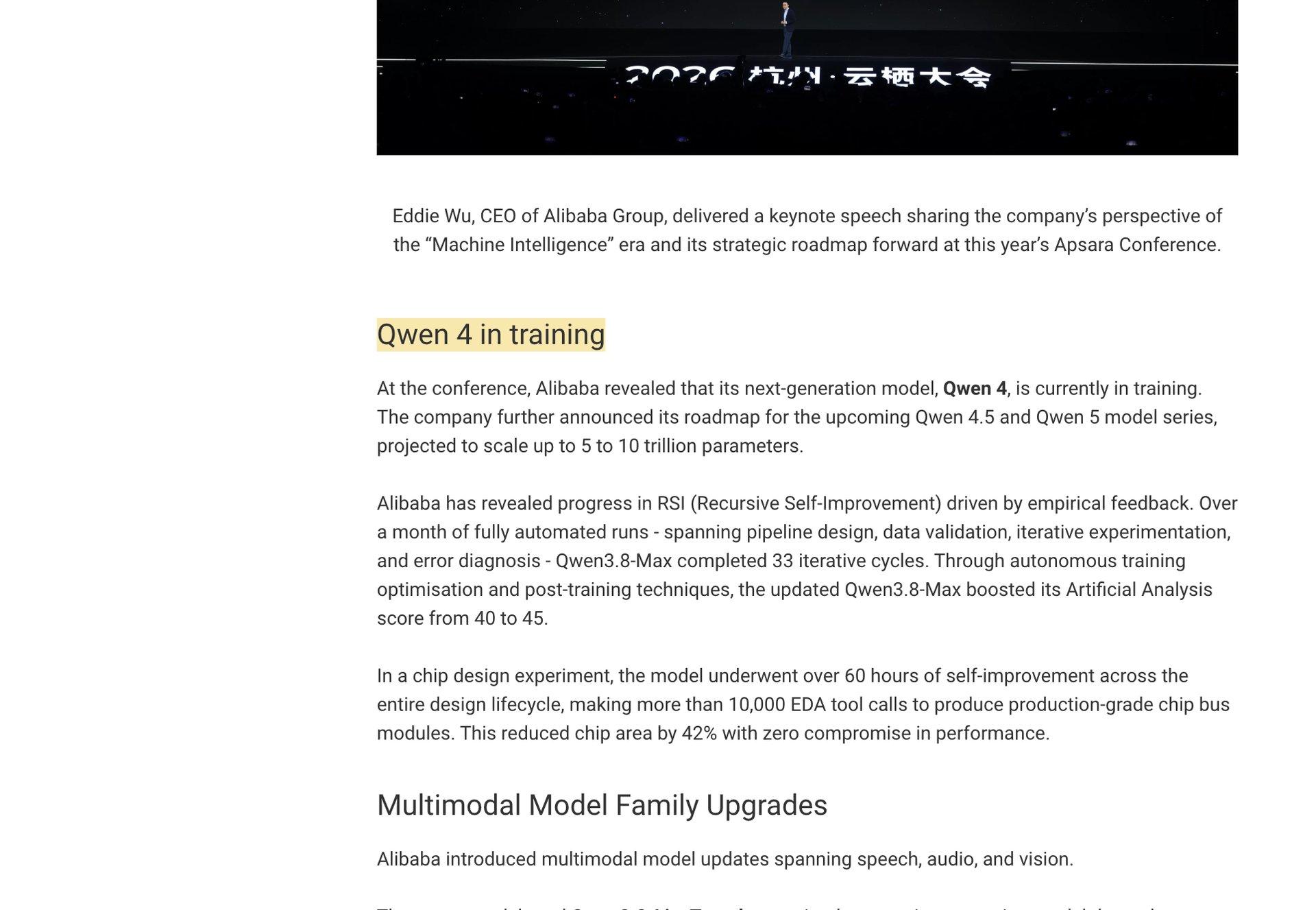
"Qwen 4: what is confirmed before a 27B release"
"How to separate Qwen 4 release evidence from an architecture preview, and what to check before planning a local deployment."
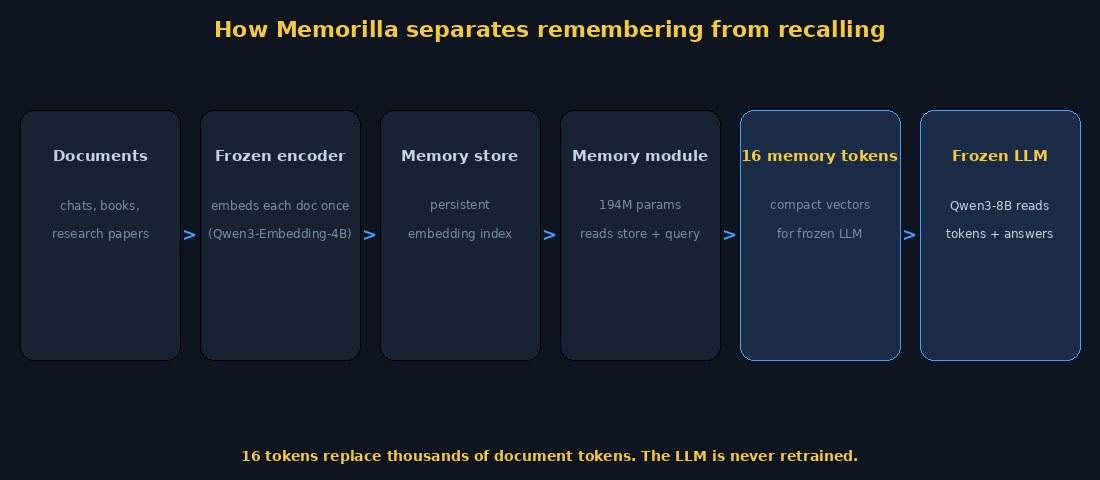
Memorilla - 16 memory tokens let a frozen LLM read thousands of documents at once
Stanford's Memorilla compresses document collections into 16 learned tokens for a frozen LLM. FactKG accuracy climbs from 80.43% to 84.33% with 108x fewer tokens. Open source, Apache 2.0.
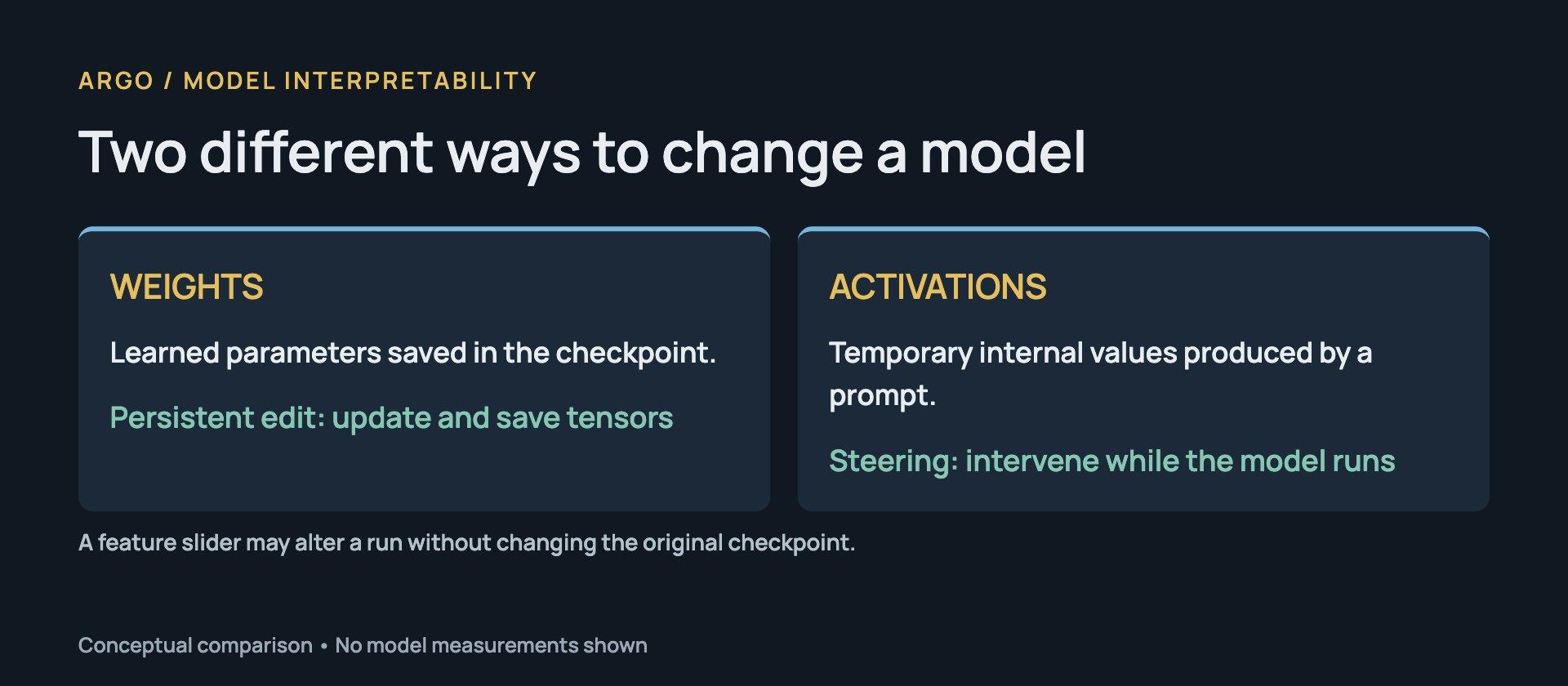
How to search inside a language model and test what you find
A practical guide to visualizing LLMs, searching their features, tracing circuits and understanding when steering becomes a weight edit.
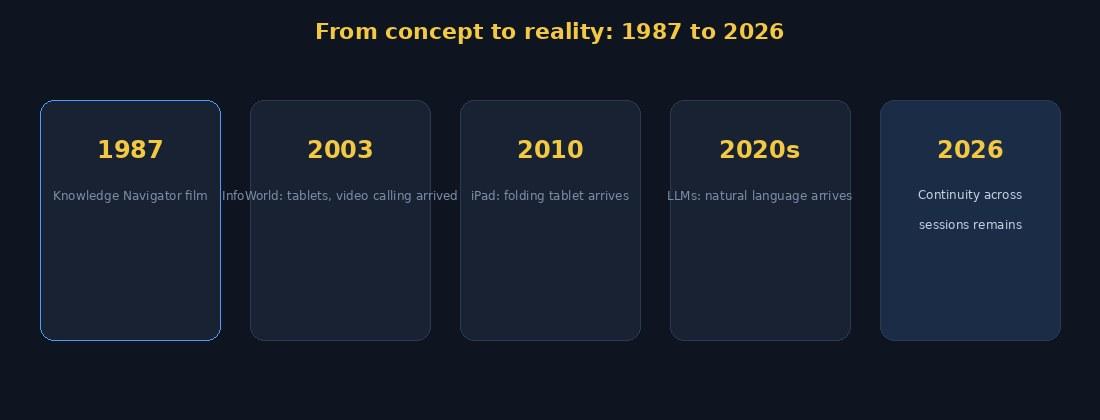
Apple's 1987 Knowledge Navigator: the film that predicted AI assistants, tablets and video calling
In 1987, Apple made a concept film showing a folding tablet with a conversational AI assistant, video calling, and personal knowledge access. Most of it has arrived. The last piece is landing now.
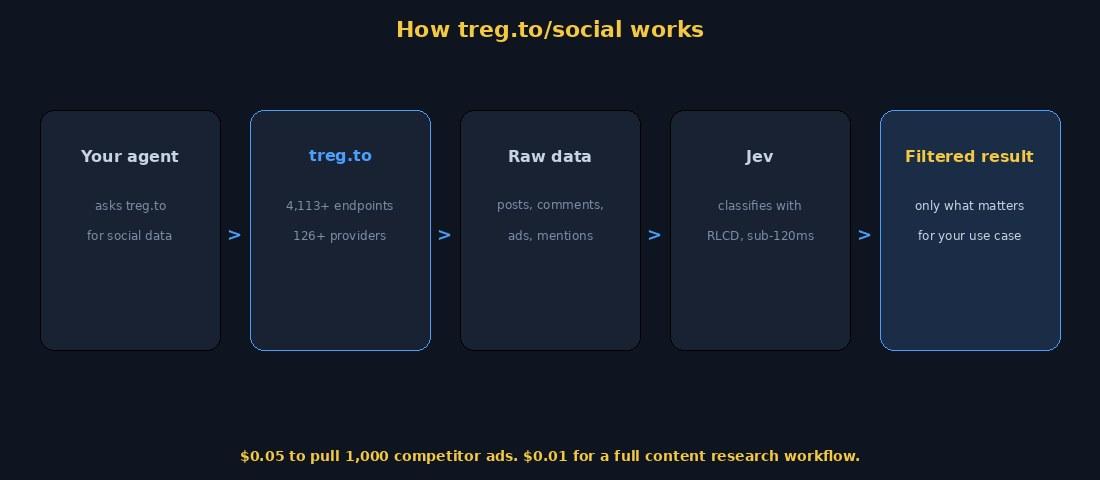
treg.to/social - one API for social data, filtered by Jev, at 0% markup
4,113 API endpoints across 126 providers for social data, unified behind one key. Jev's RLCD model classifies every post in sub-120ms. $0.05 for 1,000 competitor ads. Open source, 0% markup.
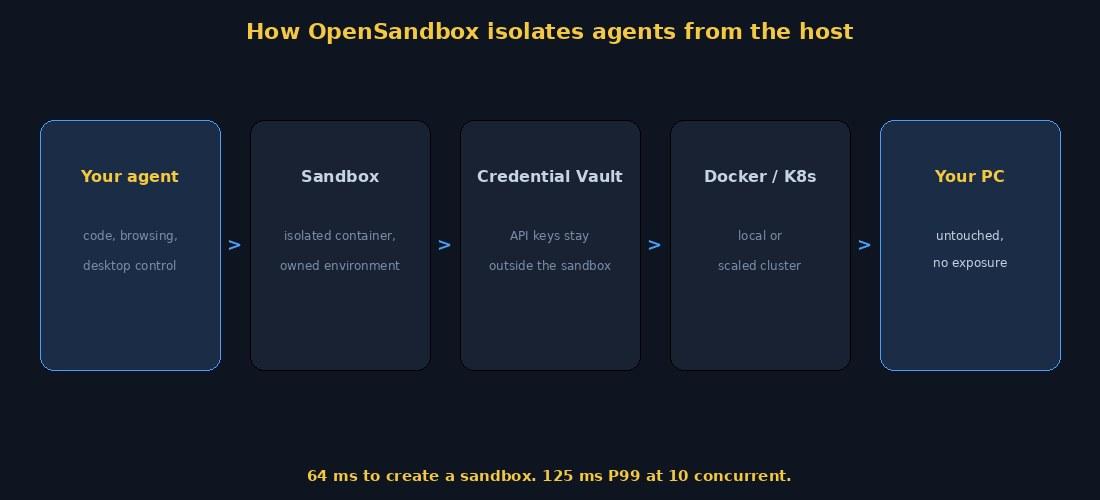
Alibaba OpenSandbox - secure sandbox runtimes for AI agents that need to do real things
OpenSandbox gives AI agents isolated environments for code execution, browsing and desktop control. 64ms sandbox creation, Docker and Kubernetes runtimes, Credential Vault. 15,900 stars on GitHub.
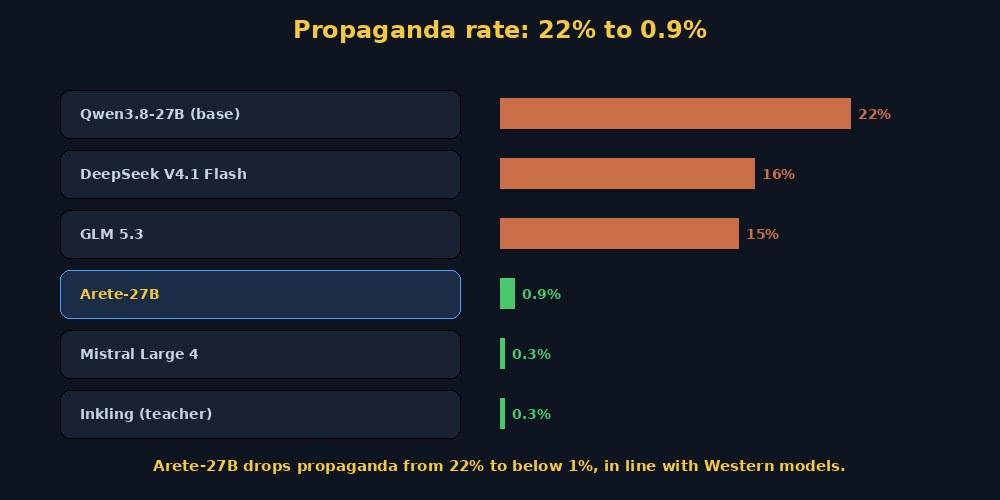
Arete-27B - turning Qwen3.8 from a 22% propaganda rate to 0.9%, with open weights and data
Nous Research post-trains Alibaba's Qwen3.8-27B to reinforce Western values. An 803-prompt eval shows propaganda drops from 22% to 0.9%. Hermes Bench shows no significant capability tradeoff.
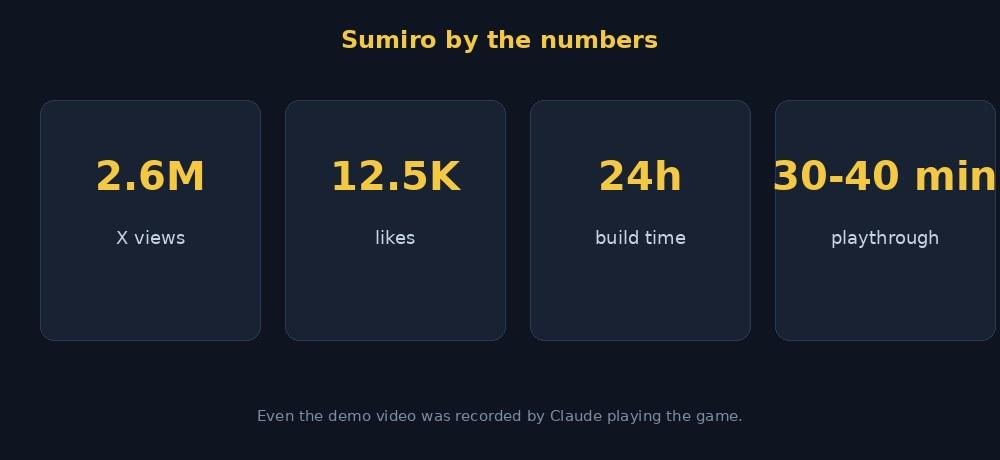
A full original browser game built in 24 hours with AI tools
Shikhar built Sumiro, a 3D samurai puzzle-platformer, in 24 hours using Opus 5.5, Flux 3 Max, GPT Image, Tripo, Blender and Three.js. The demo was played by Claude. 2.6M views on X.
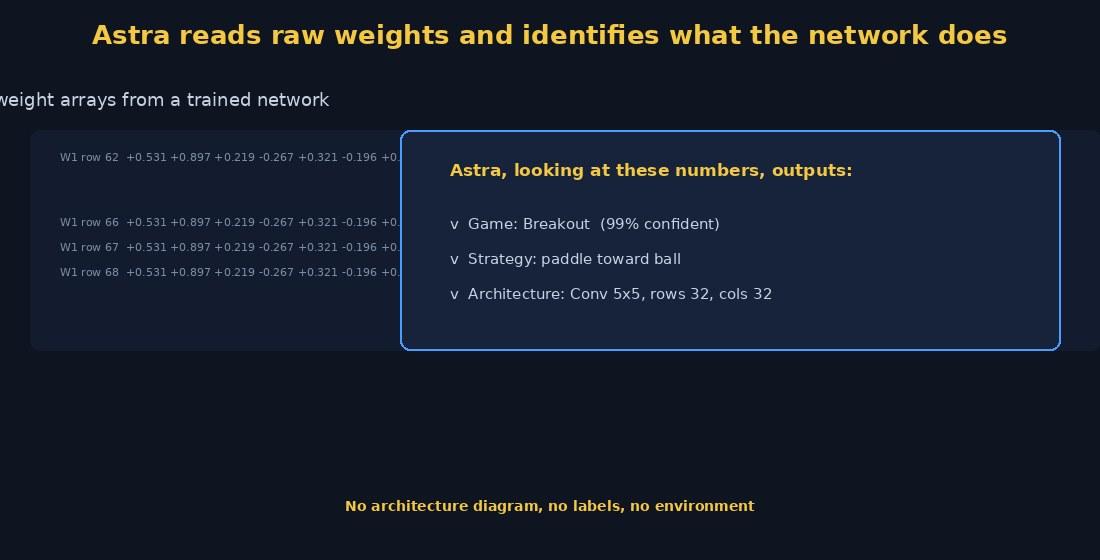
Weight-Space Programming - the next step after "networks are already clean"
MIT CSAIL shows that frontier LLMs can read and write neural network weights natively, identifying tasks, writing game networks that beat PPO, and fixing a 0.8B model's reasoning loops by editing 0.016% of its parameters.
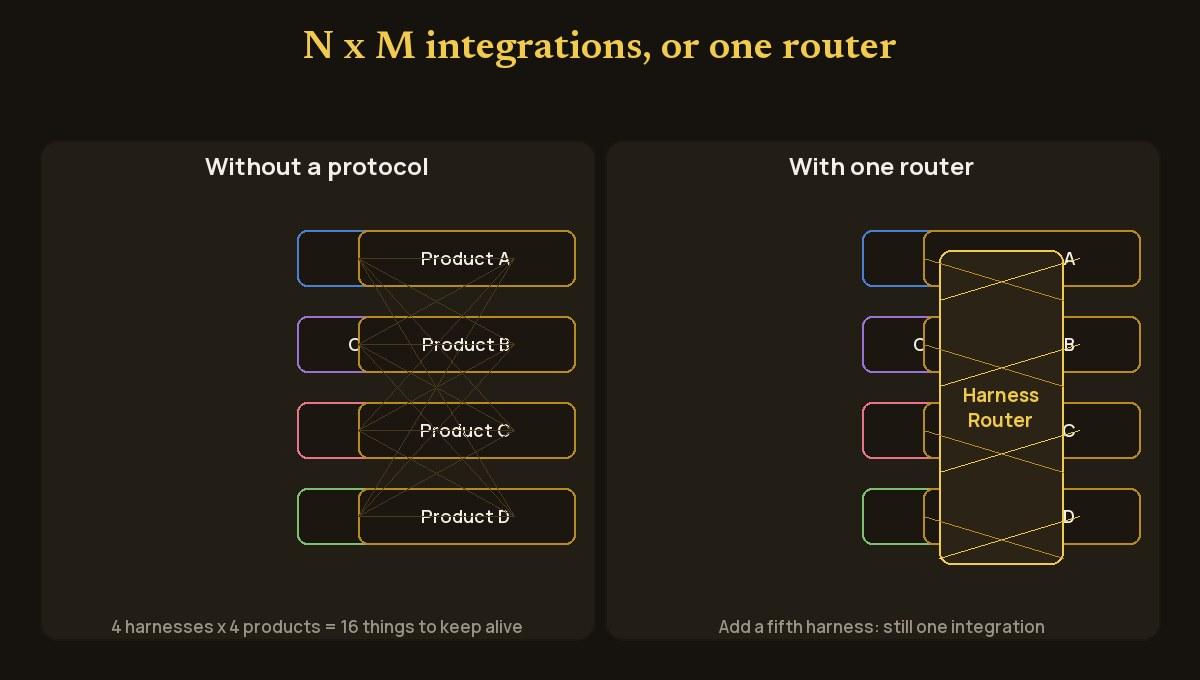
Every harness now has a protocol: what UHP and HarnessRouter actually change
A standard interface for running agent tasks across Codex, Claude Code, Hermes and 27 other harnesses, with one integration instead of sixteen. What it fixes, what it does not.
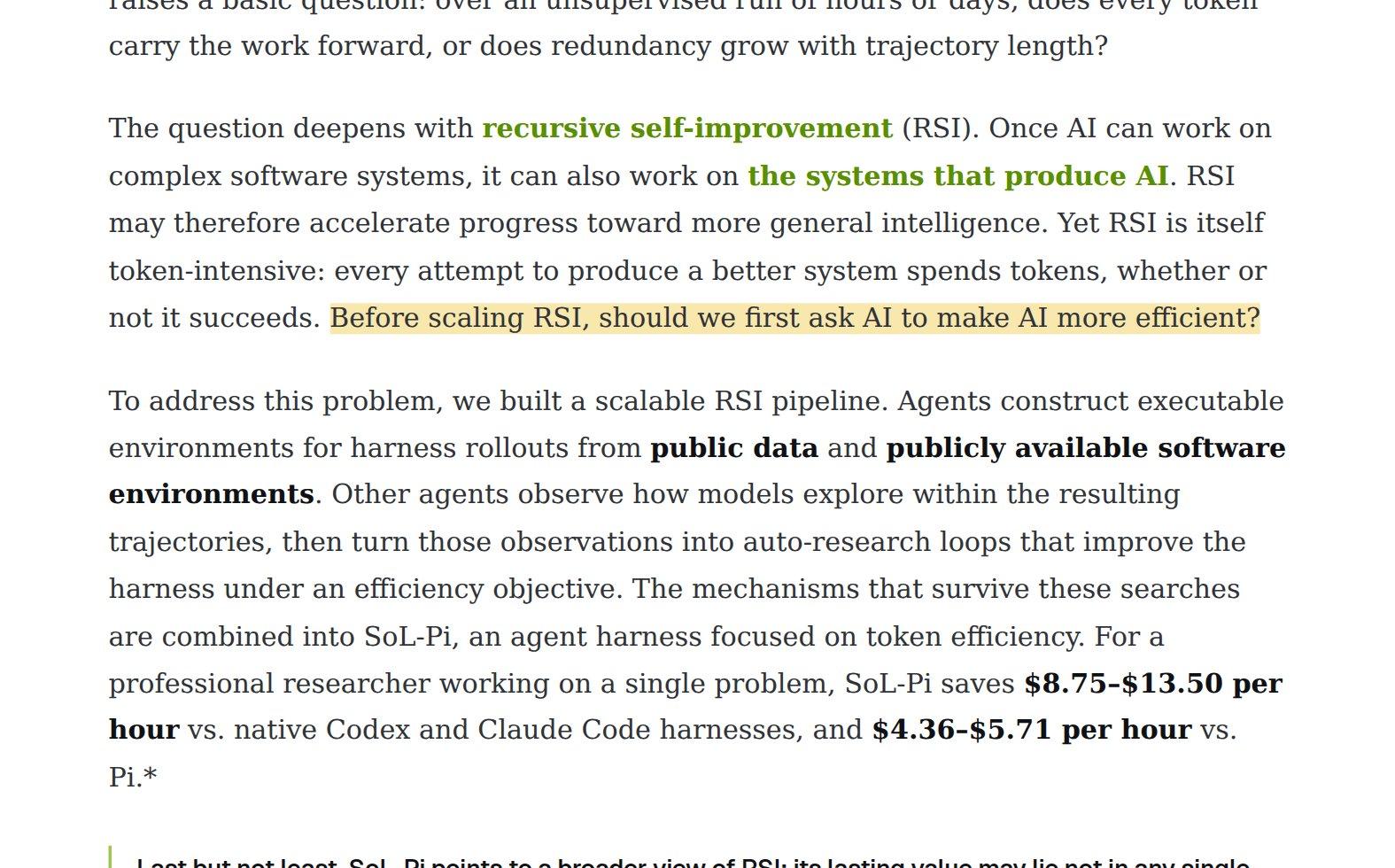
How an AI research loop nearly halved a coding agent's token use
NVIDIA set an AI researcher loose on a coding agent's harness. Four plain changes survived, cutting tokens by 45 to 49%. What they are and what they cost.
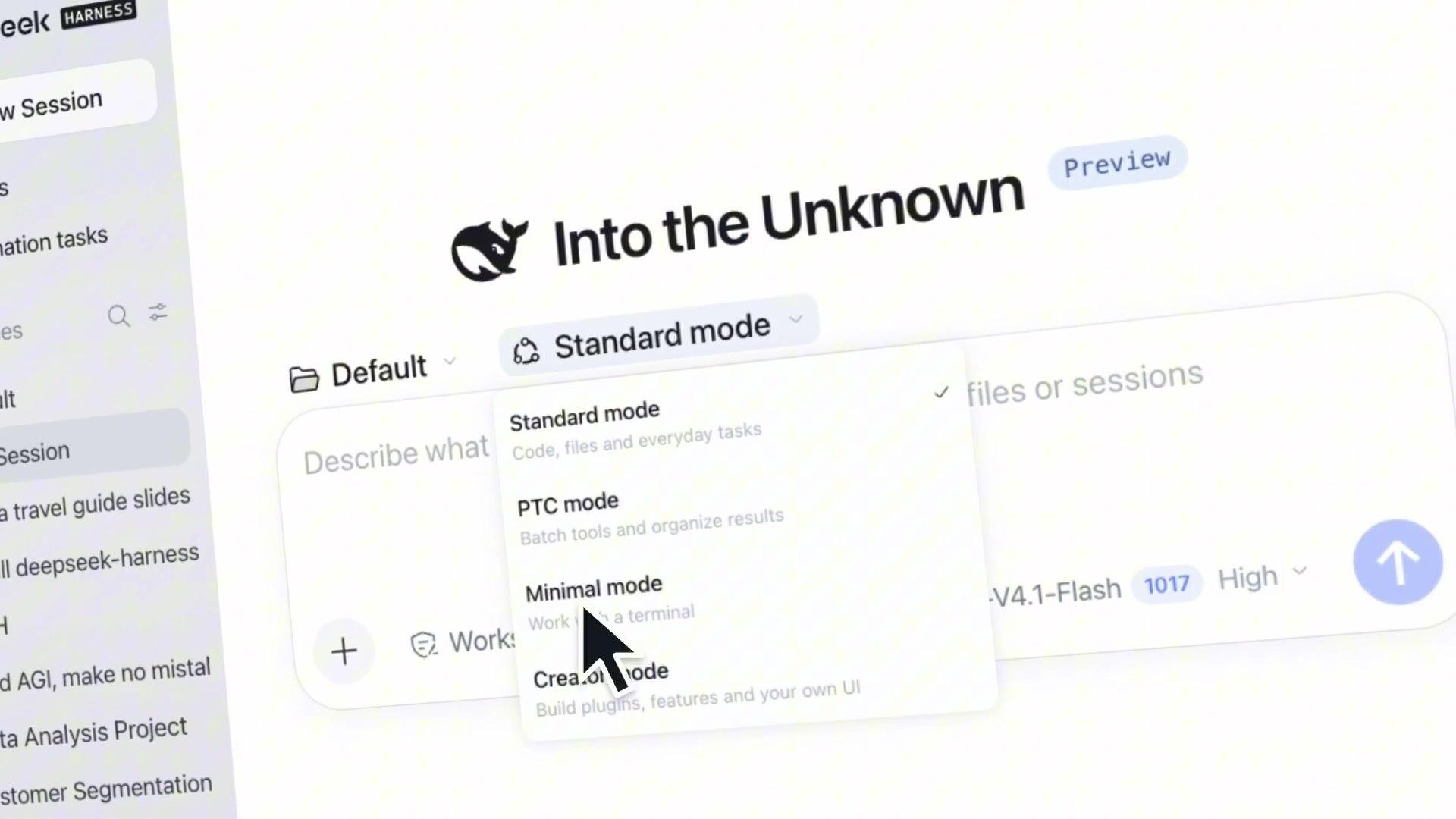
DeepSeek Harness Creator Mode: what it does, what it costs, and how open it really is
DeepSeek's open-source agent harness now builds its own plugins from a chat message. Every feature, the real price in USD, and what is open and what is not.
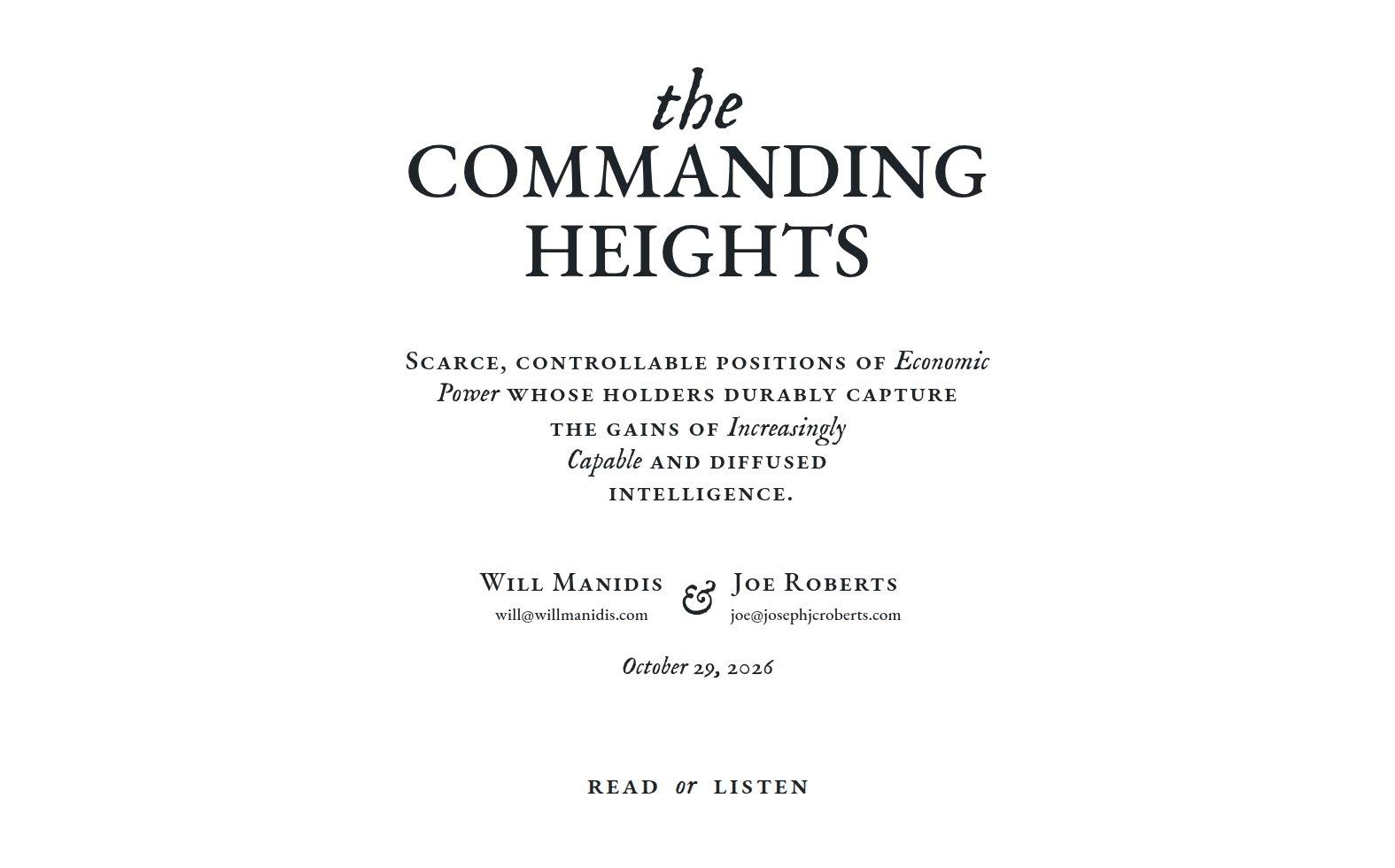
The Commanding Heights, explained: who gets rich when AI gets cheap
Manidis and Roberts argue AI models become commodities and the money goes to the crossings. What they show, what they assert, and our reading.
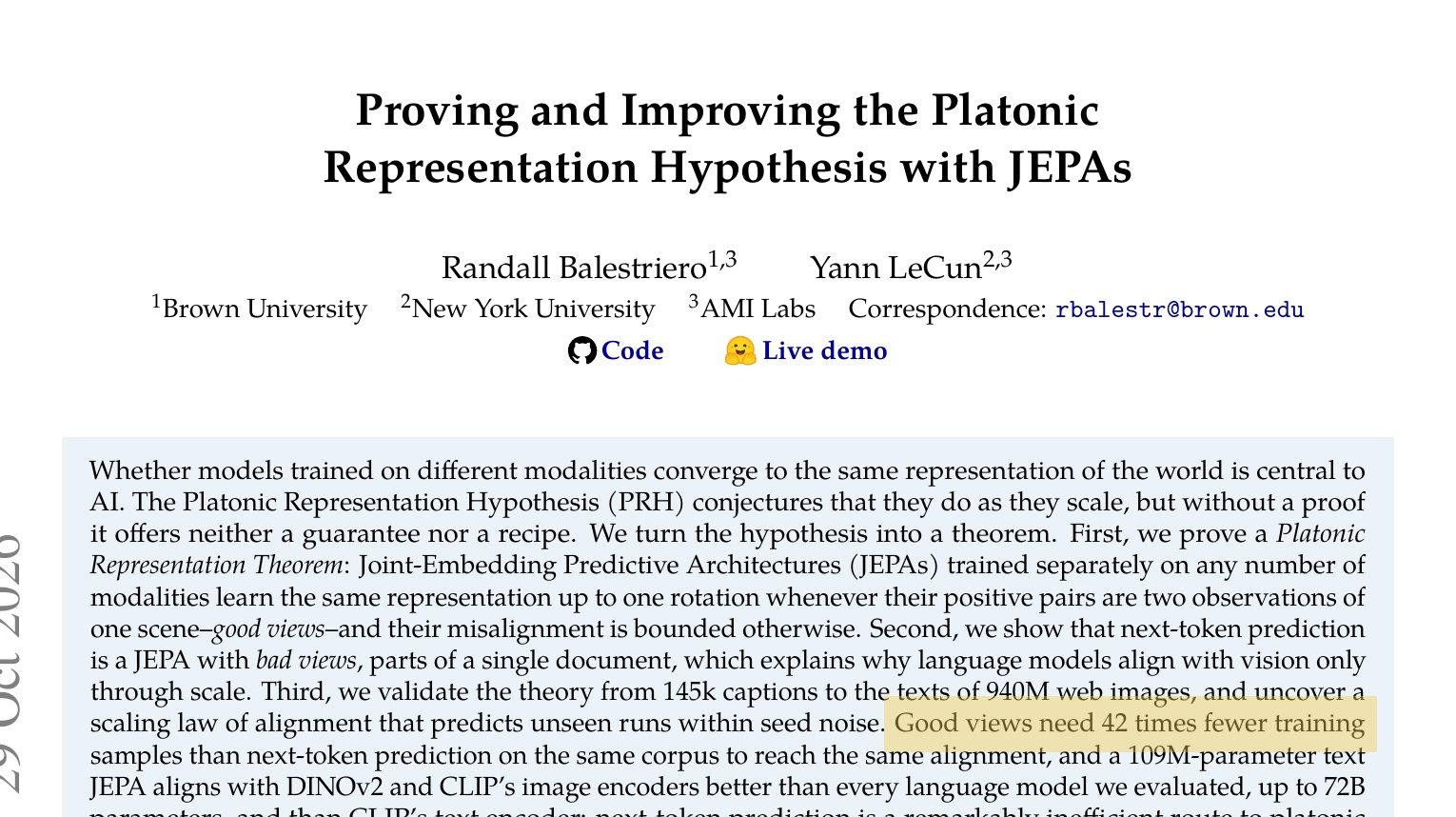
LeCun's lab proved AI models can share one picture of the world, and scale is not the only lever
Balestriero and LeCun turn the Platonic Representation Hypothesis into a theorem: what you call "the same" matters more than model size.
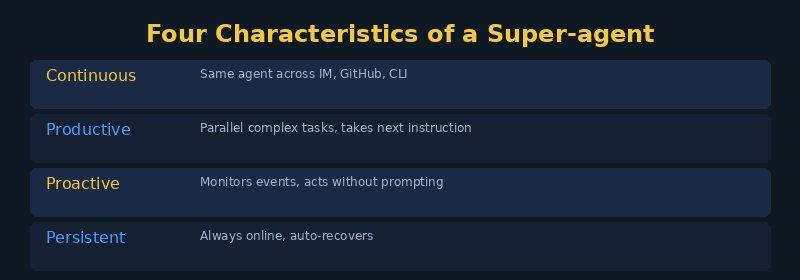
DeepSeek's Super-agent Design - Continuous, Proactive, Persistent AI Agents
DeepSeek Harness published their internal architecture for agents that never lose context, work in parallel, and act without being told.
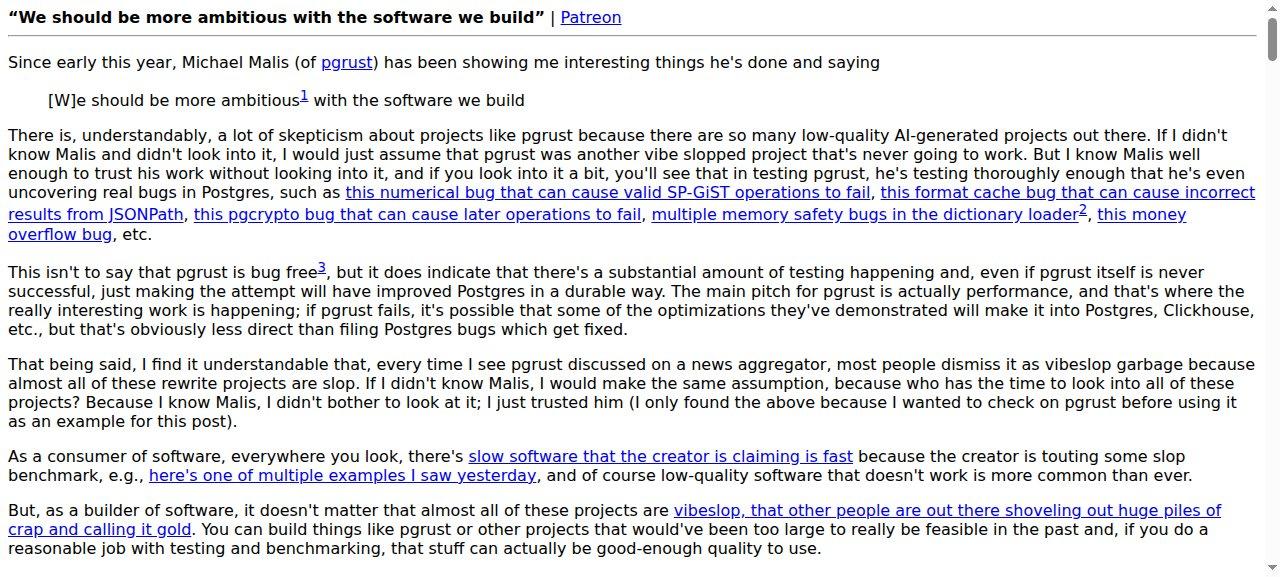
Dan Luu's case for more ambitious software: a summary
Dan Luu argues coding agents turned year-long projects into hours, so builders should aim higher and spend the savings on verification.
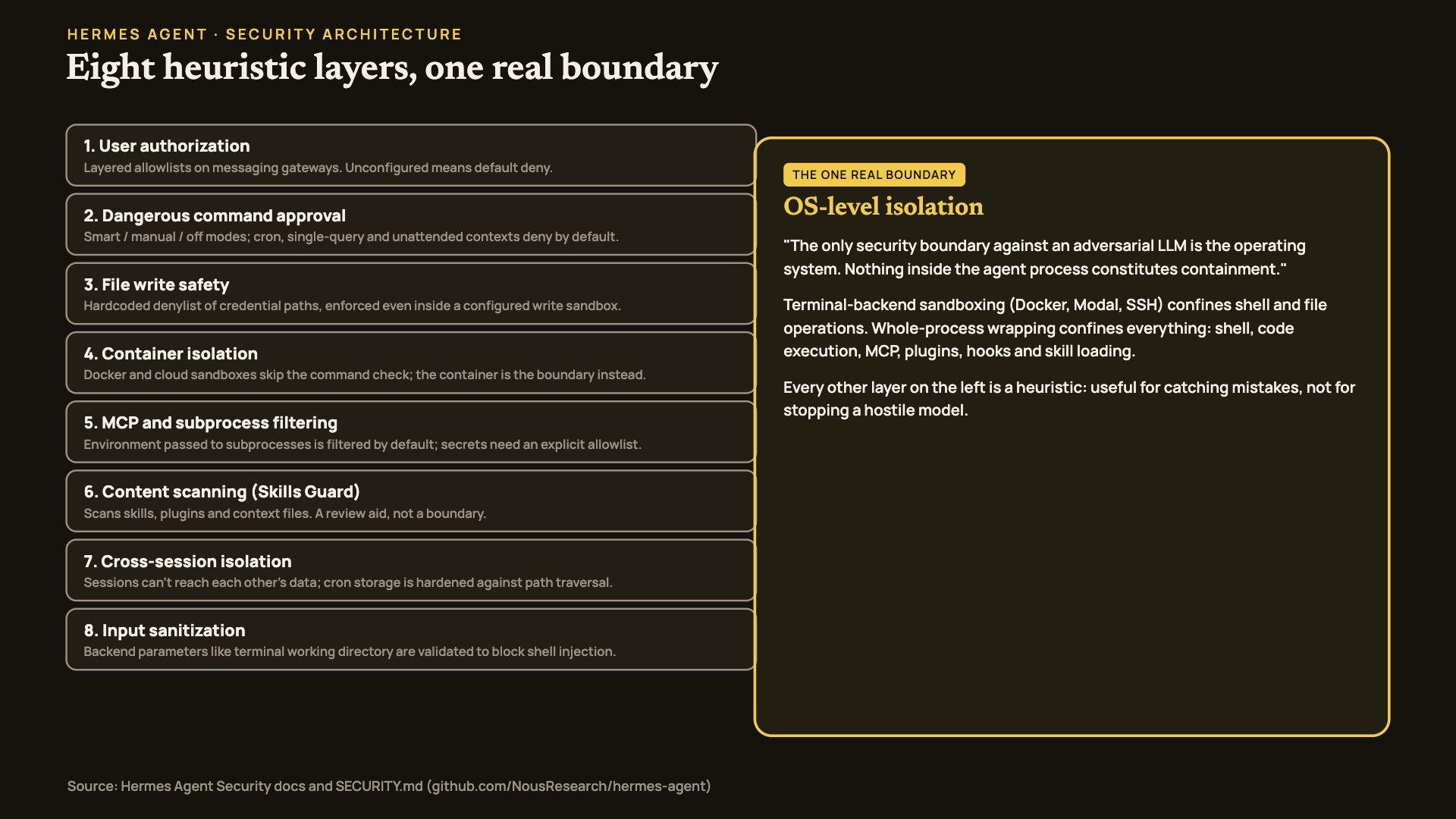
How Hermes Agent thinks about security: eight layers, one real boundary
Hermes Agent's own security policy names eight defenses and then says only one of them is real. Here is how that works and what it means for anyone running agents.
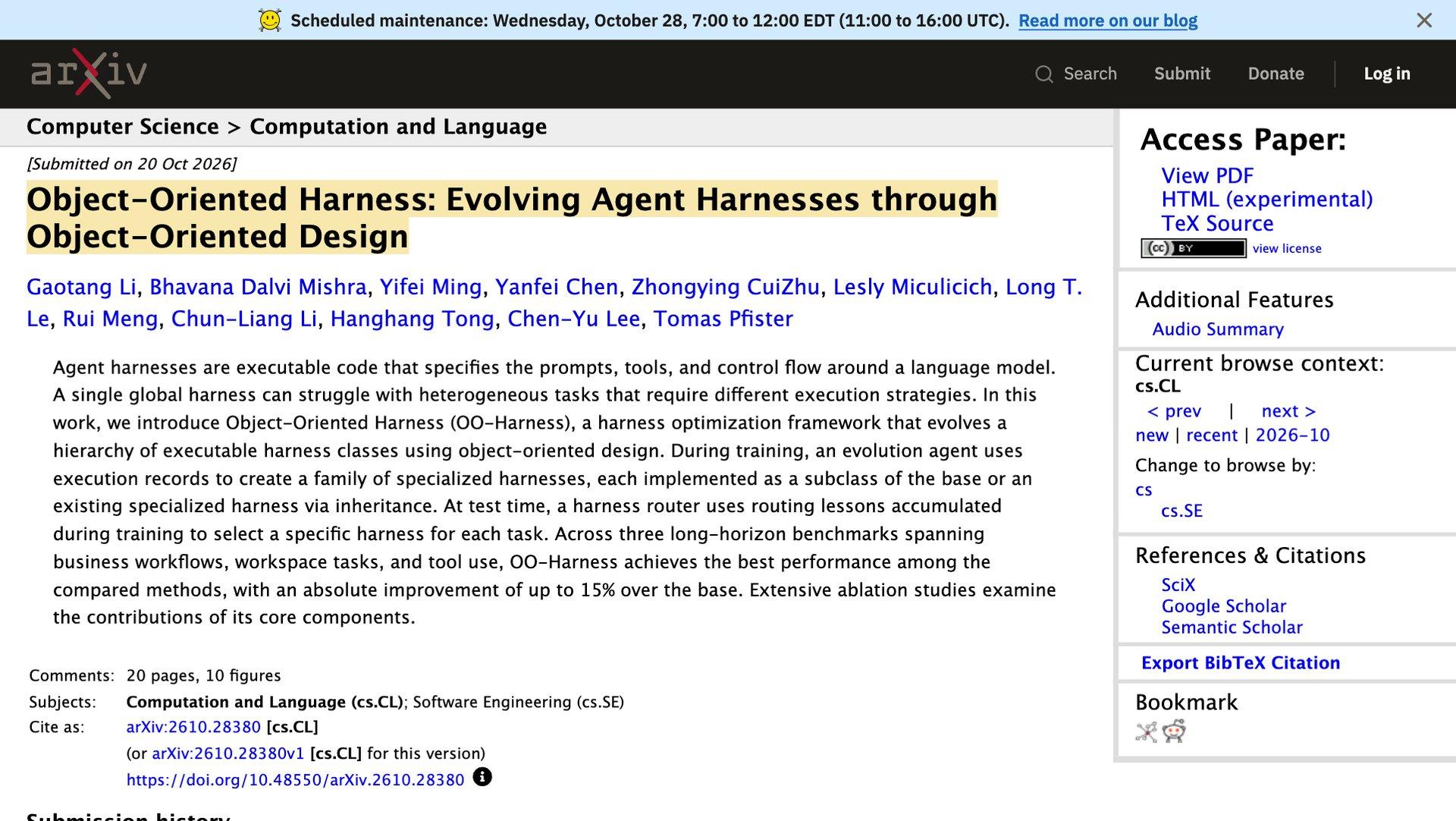
Two Papers That Just Changed How We Build AI Agents
"OO-Harness evolves agent harnesses via inheritance. RLCR trains agent organisations through collective rewards. Both point in the same direction."
Dessa: Jack Dorsey's Block Just Built a Voice AI That Never Read a Single Word
Full-duplex speech-to-speech model trained entirely on human conversation audio, running locally on a MacBook
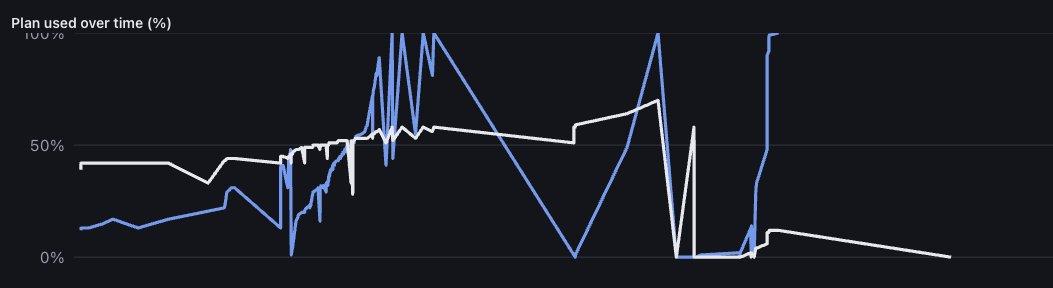
Why long sessions fill a Claude Max plan, with our own numbers
We kept hitting 100% of our Claude Max plan. Our usage ledger shows why: long sessions re-read their whole history on every tool call. Here is how to avoid it.
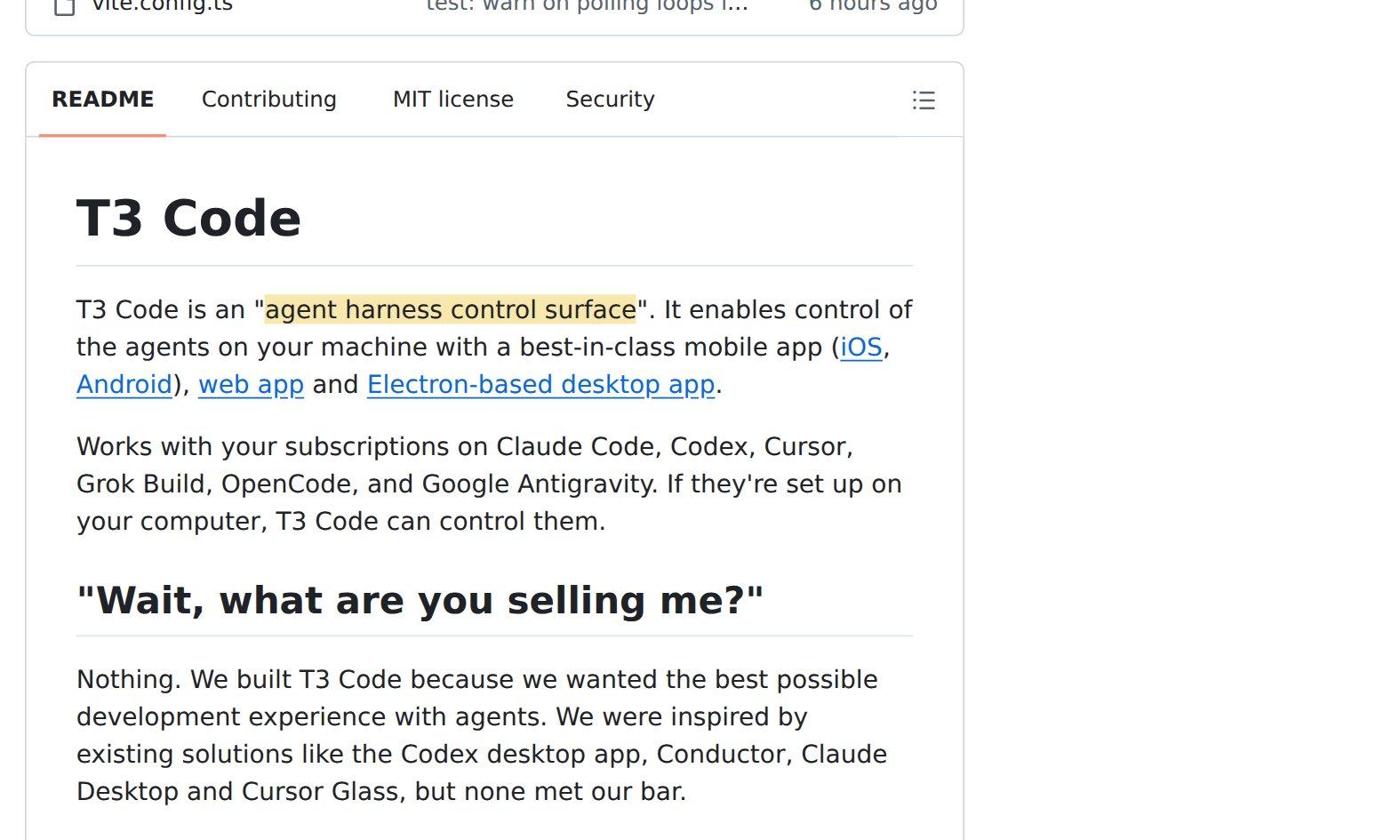
T3 Code explained, the open-source app that runs your coding agents from one place
What T3 Code is, how it drives Claude Code, Codex and other agents on your machine, how to set it up, and what we are taking from its design.

Ten open-source agent ops repos, checked, and the ideas worth borrowing
We checked ten open-source repos sold as the ops layer for AI agent fleets. What each does, what holds up, and nine ideas for a second brain.

How a small model can make an agent's routine choices, and when it shouldn't
A new paper shows when a cheap decision model can take over an AI agent's routine choices safely, and what that means for our agents.
Kronos and the AI models that read price charts, checked against the evidence
What Kronos and other time-series foundation models actually do, what "93% more accurate" really measures, and what the research says about trading with them.

What a research lab's agent playbook teaches a personal second brain
Tim Dettmers argues agents made the ecosystem, not the paper, the unit of work. What that means for how we run agents and our second brain.
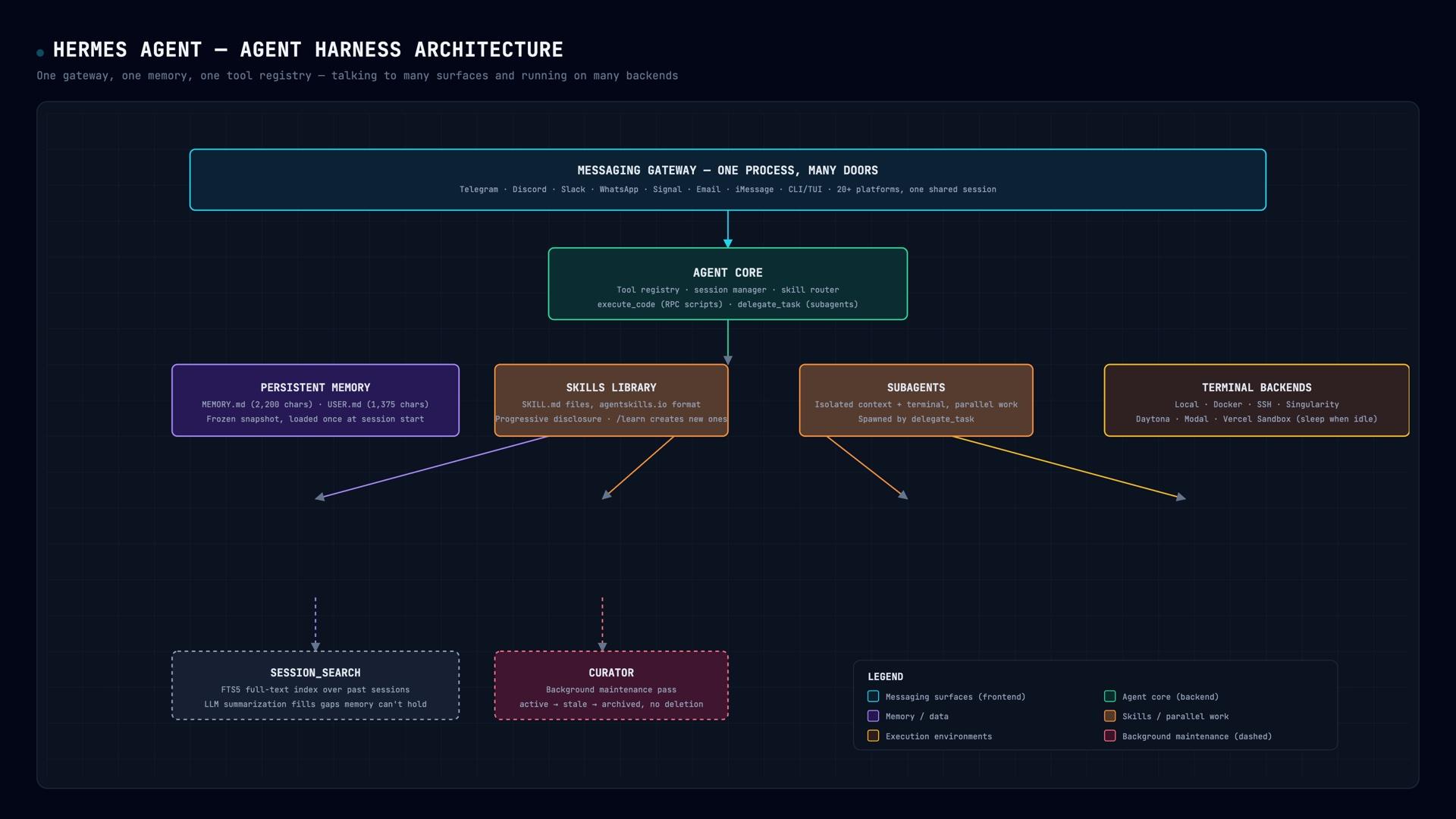
Inside Hermes Agent: memory, skills, and learning to improve itself
What Hermes Agent is, how it got here, how its memory and skills system work, and what its benchmark numbers actually mean next to other agent tools.

How an AI agent can improve its own harness without a grader
What Google's Harness² paper shows about agents editing their own prompts, skills and hooks at test time, and how to build a small version yourself.
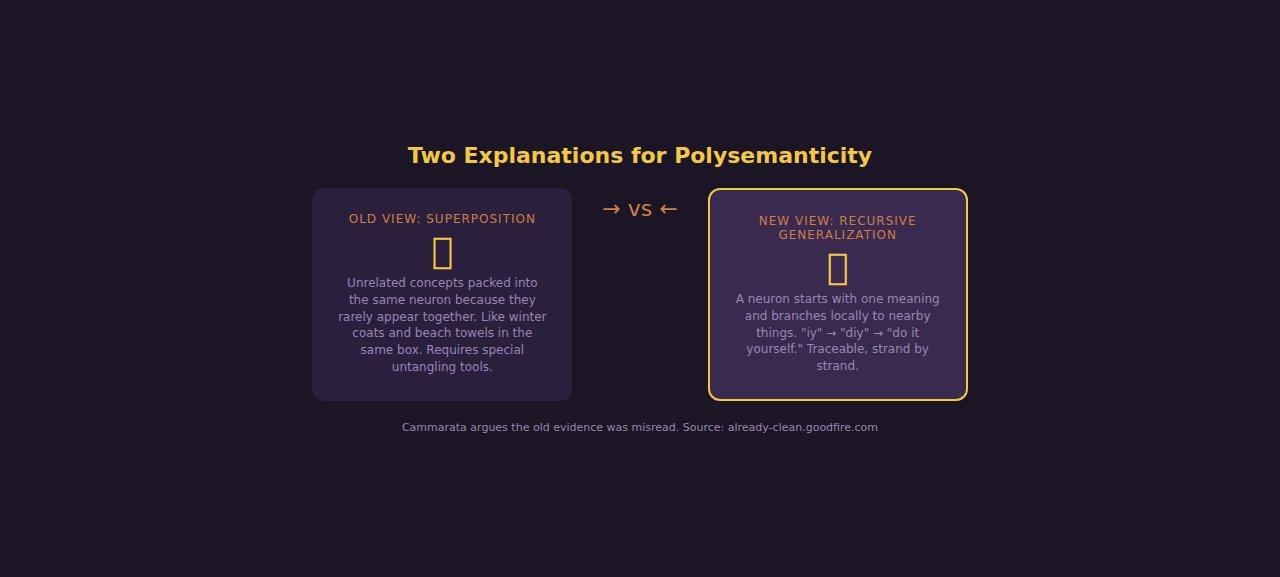
The networks were never tangled: what it means if we can finally read an AI's mind
Nick Cammarata argues neural networks are already readable, neuron by neuron. What he found, and what it means for trusting an AI with a journal.

Making a Lane 8-style track with Ardour and an AI agent
What the open-source Ardour DAW is, how ardour-mcp lets an agent like Claude drive it, and a step-by-step guide to the melodic house sketch we built with it, Ocean View Haikus.

Skills, loops and graphs: the three layers around an AI agent
What skill graphs, loop engineering and graph engineering actually mean, how they fit together, and how we use them across Claude Code, Hermes and the Kanban board in our second brain.
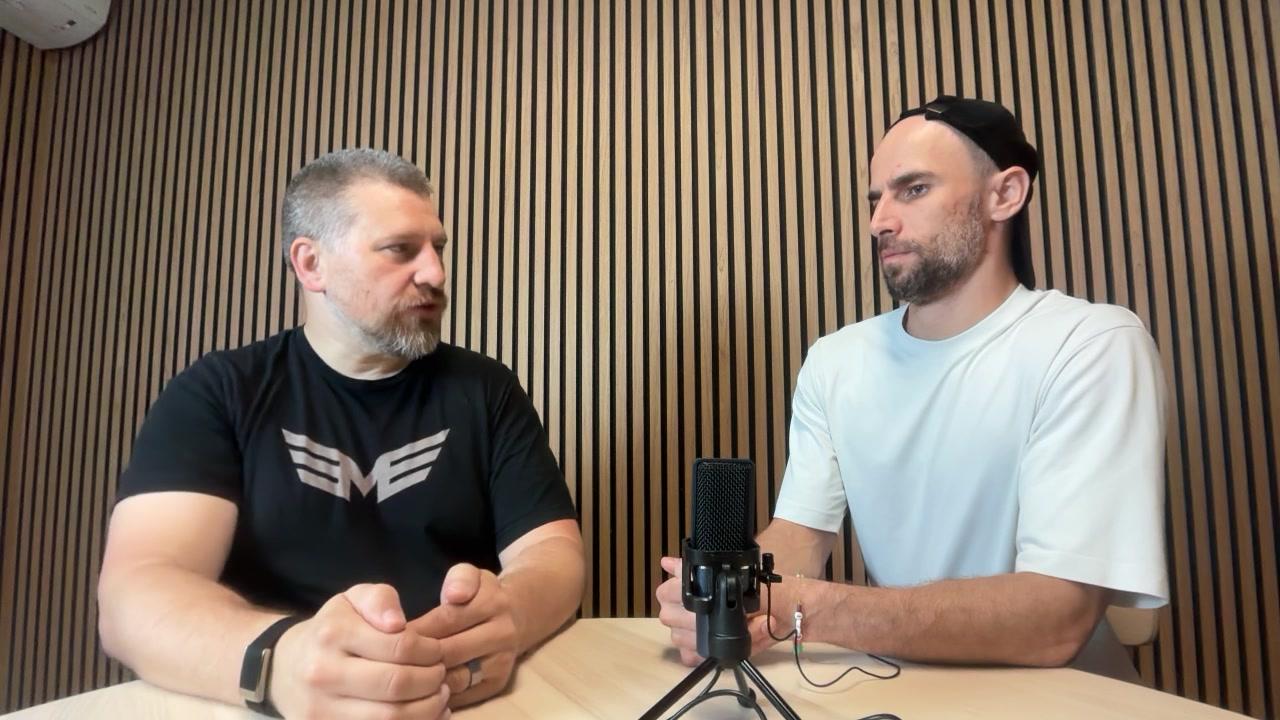
How private AI actually works: Morpheus, TEEs, and secure enclaves
Encryption protects your data at rest and in transit, but not at the moment a model reads it. A plain-English explanation of secure enclaves, how remote attestation turns “trust us” into something checkable, what TEEs genuinely do not protect against, and exactly how Argo uses Morpheus for confidential inference, including the one feature that does not run in the enclave today, and why.

LLP#025, Francis Goon: losing the fear of AI
A conversation at the Ultra Web3 festival with Ts. Francis Goon, a technical writer and former R&D engineer who spent seven years in semiconductors and fourteen years translating dense technology at MIMOS, Malaysia’s national research center. On the handheld biosensor that reads blood with light, why a year of job hunting in Penang pushed him into teaching, how a childhood fear of the computer mirrors the fear beginners feel about AI, and his simplest advice: try one tool a day, because it is just a screen with a box in the middle.
LLP#016, Own Your AI, or Be Owned By It: David Johnston
A conversation at Network School with David Johnston (the man who coined the term “DApps” in 2013) now lead technologist on Morpheus, a permissionless network for decentralized, private AI. On riding every tech wave from biodiesel to Bitcoin, what Morpheus actually is, and why owning your AI is the new question of freedom.